Working with semi-custom builders, we meet with new homebuyers every week, many first timers and many experienced veterans who have built several custom or semi-custom homes throughout the years. As we sit down in person or remotely over Zoom to begin their low voltage design, one of the most common questions we get asked has to do with the need for prewiring their new home.
To nutshell, the question is, “Why bother prewiring. Can’t we just use Wi-Fi for everything these days?”.
“What does it mean to “prewire” a new home — and why should we do it?”
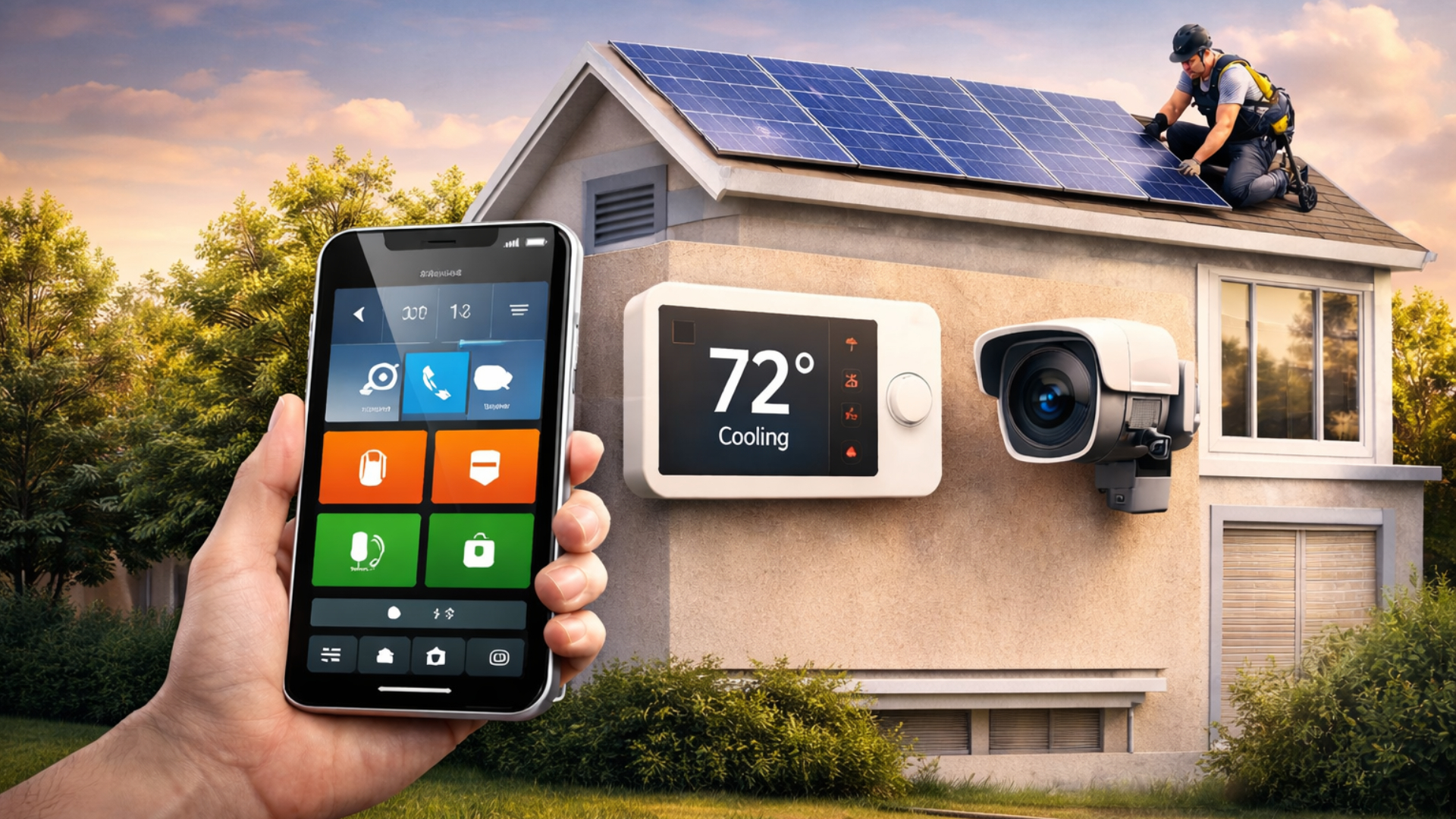
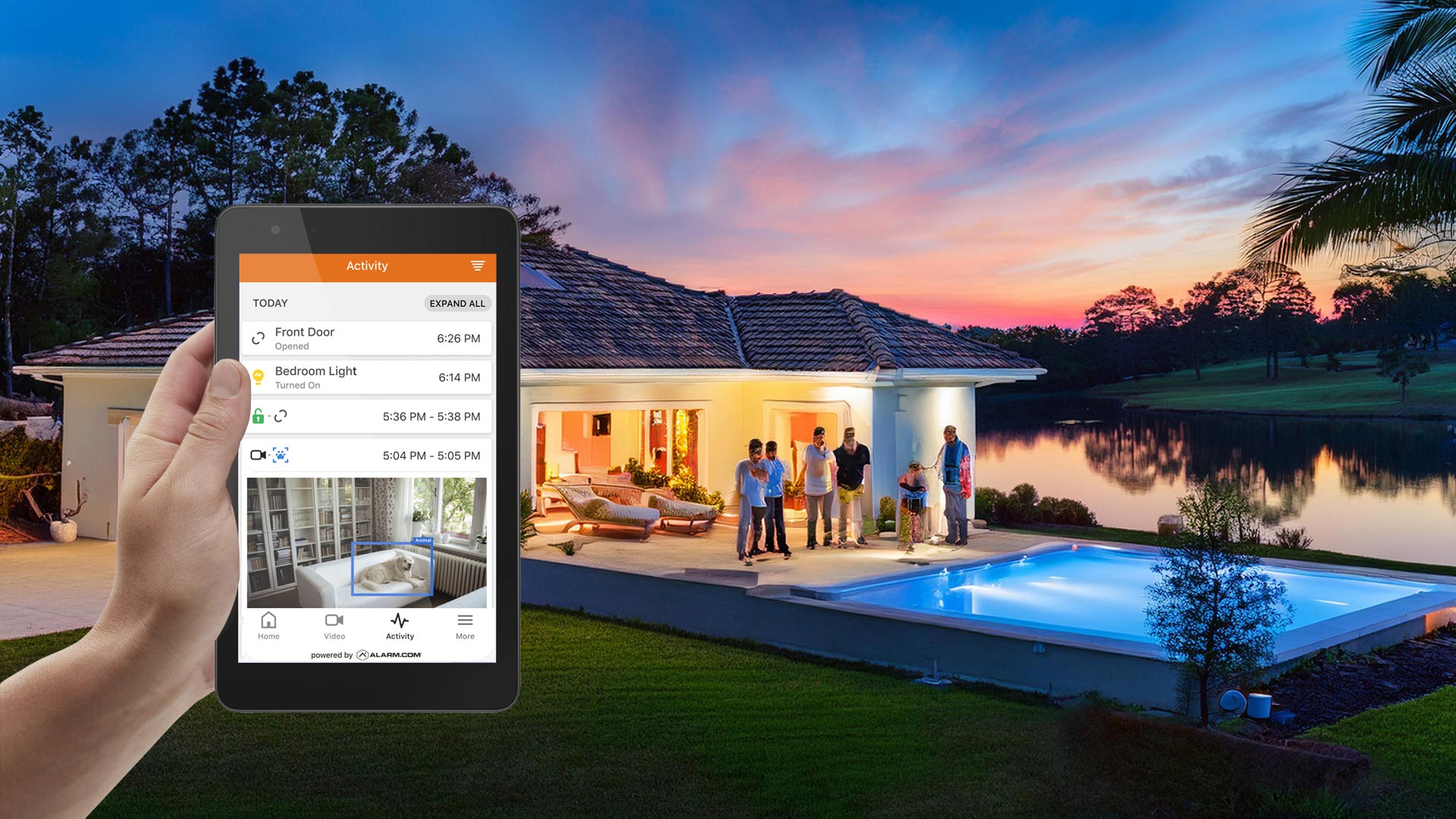
Prewiring means installing all the necessary wiring and cabling before the drywall goes up during construction. This allows your home’s technology — including TVs, speakers, security cameras, video doorbells, Wi-Fi access points (WAPs), pool controls, motorized shades, home automation systems, and more — to be hardwired directly into the network for both power and internet connectivity. By doing this early, you avoid having to cut into walls or ceilings after closing, making future equipment installs clean, fast, and damage-free.
While it’s true that many devices today can connect wirelessly via Wi-Fi, there are strong reasons to hardwire a new home — especially given how much bandwidth modern technology consumes.
Think about everything running at once:
- Cell phones, tablets and laptops
- 4K and HDR TV streaming
- Live video feeds from security cameras and video doorbells
- High-resolution music streaming
- Console and PC gaming
- Smart home/IoT devices
- Pool controllers and whole-home generators
When these devices rely solely on Wi-Fi, they can quickly overwhelm the network. Wireless security cameras streaming live video, smart TVs pulling 4K content, and speakers streaming music all compete for the same wireless bandwidth, creating congestion and performance issues — especially when the home’s Wi-Fi system isn’t optimally designed.
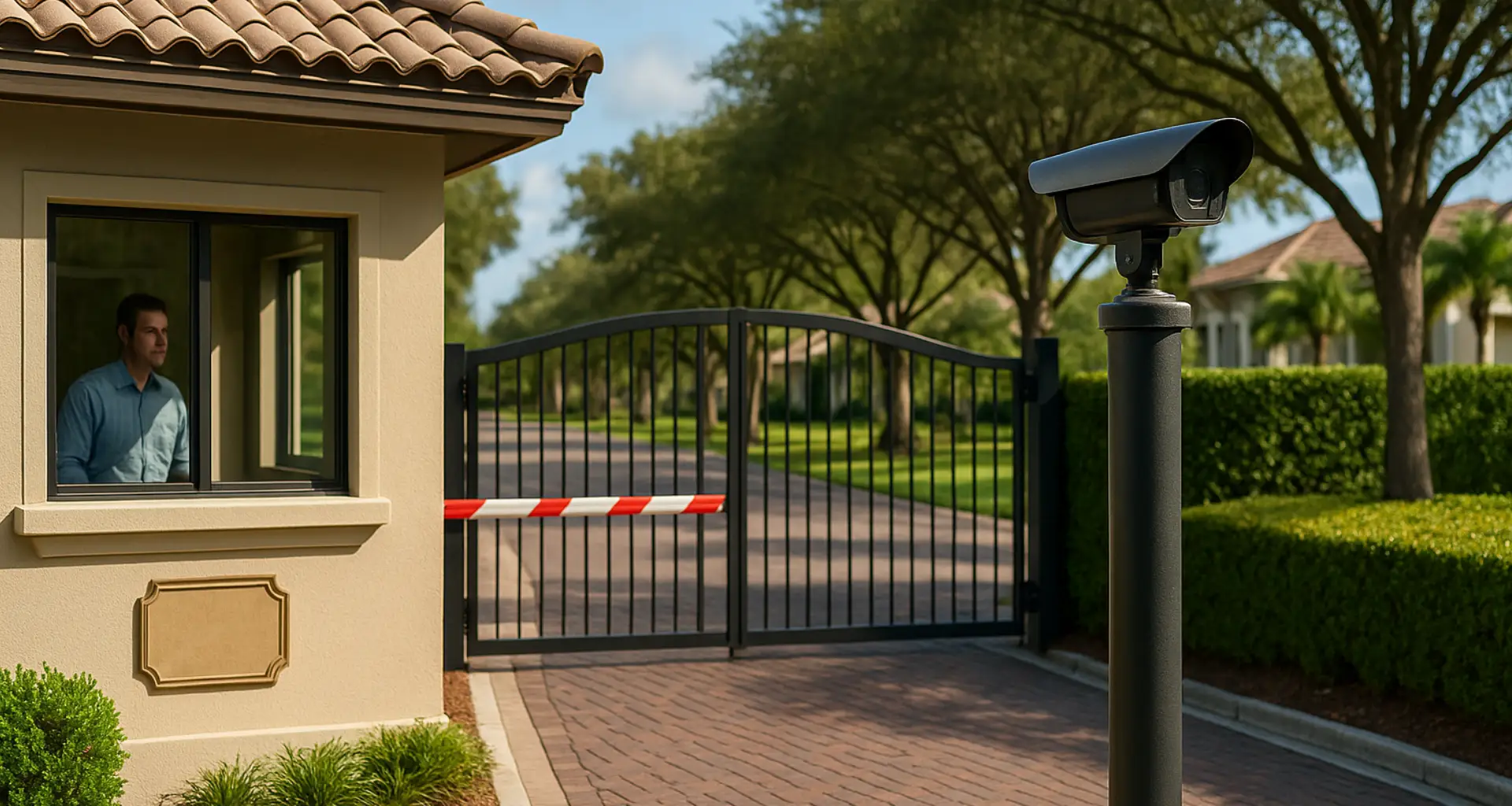
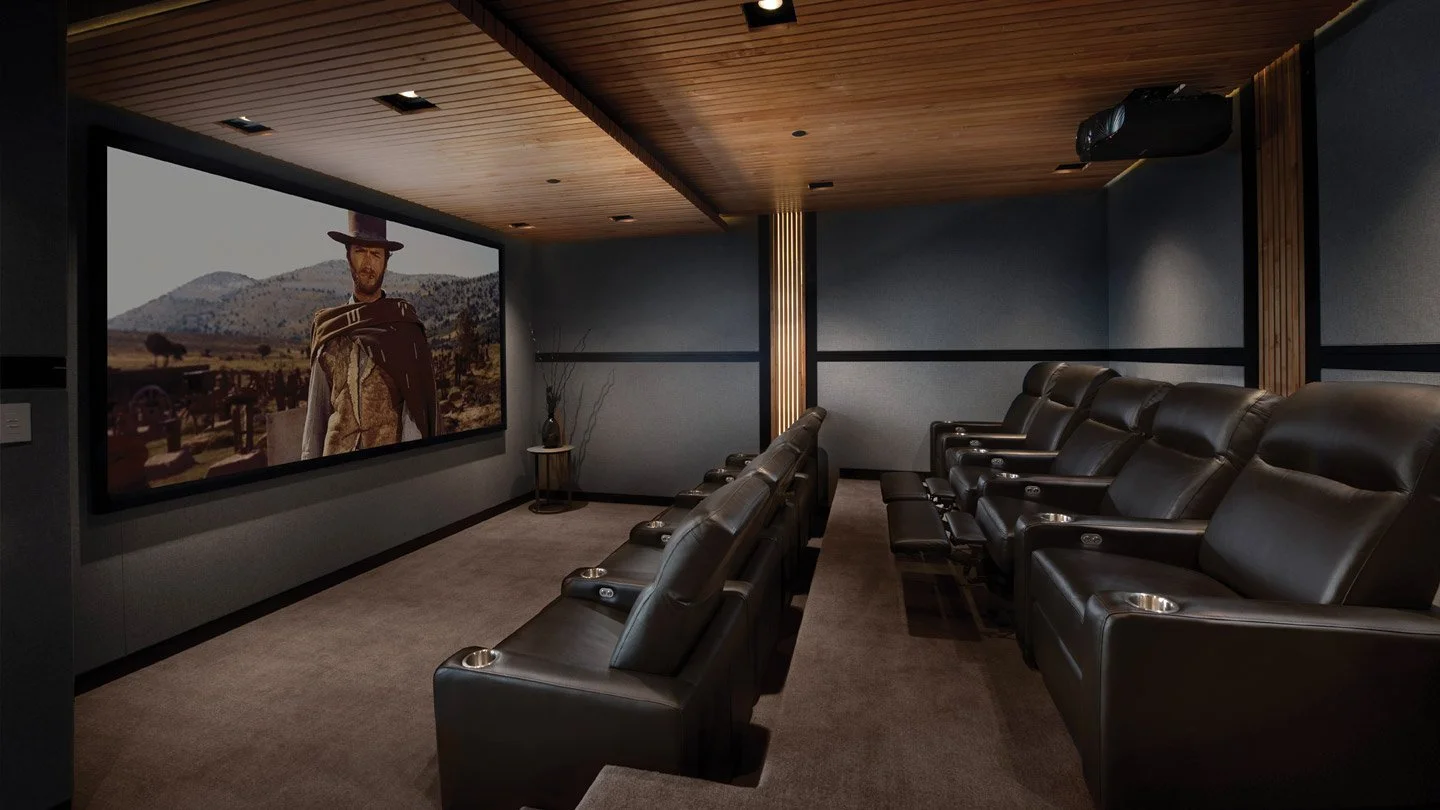
In a new home, any device that stays fixed in one place — such as TVs, home theater equipment, gaming consoles, and security cameras — performs far better when hardwired. This frees up Wi-Fi for the devices that actually need it, like smartphones, tablets, laptops, and even your robot vacuum. That’s why most general contractors, custom builders, and semi-custom builders today bring us in to install a commercial-grade 10-gigabit Cat6 Ethernet network as a standard feature. This provides a fast, reliable, hardwired backbone for your internet connection and allows key devices to stay off Wi-Fi altogether.
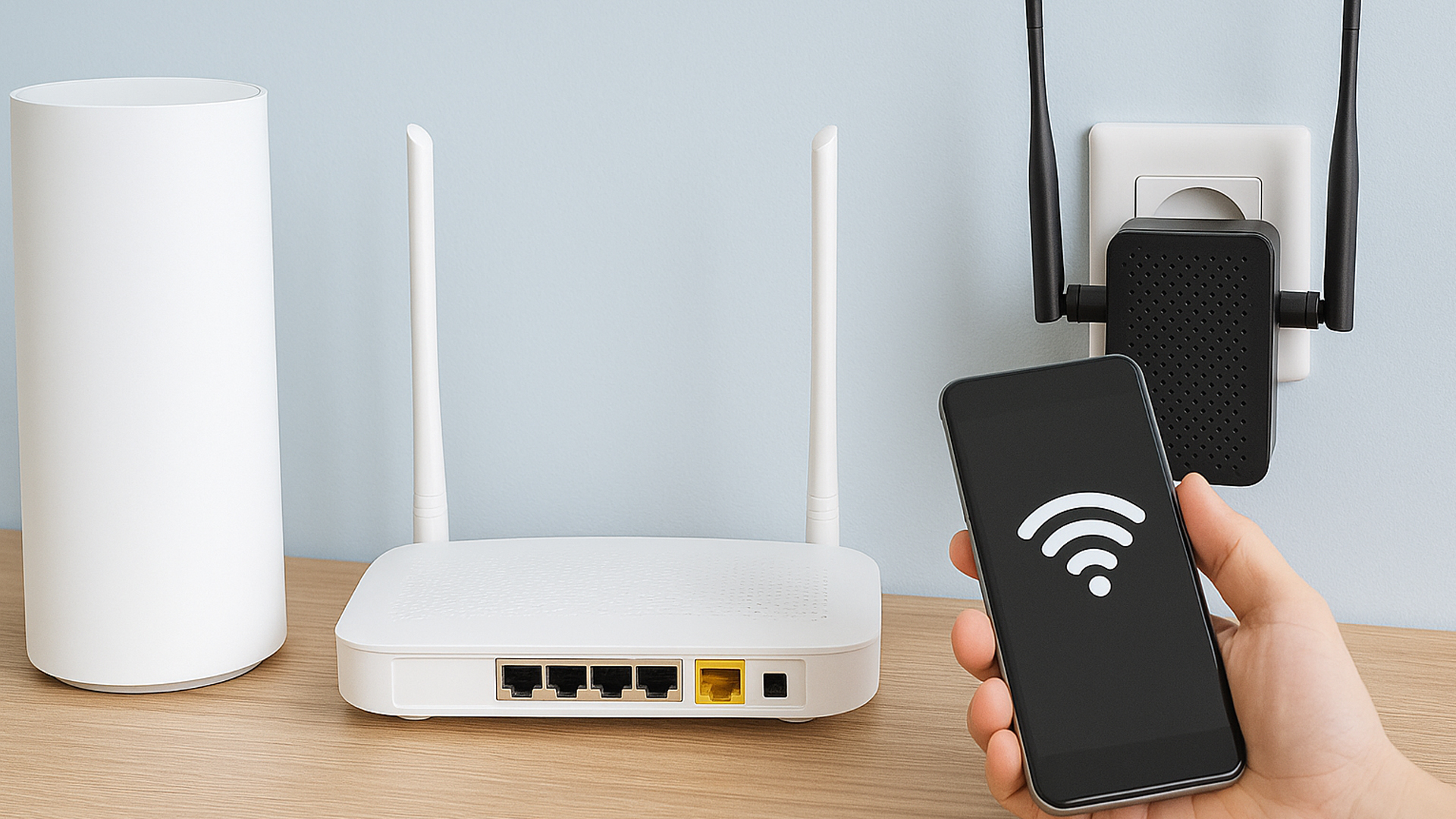
Hardwiring also enables cleaner, more attractive installations. For example, hardwired speakers are often higher quality and can be flush-mounted, recessed, or even hidden — instead of sitting on countertops with visible wires. Even your Wi-Fi network itself works better when it’s hardwired. Ceiling-mounted wireless access points (WAPs) are connected back to the router using Cat6 cable and placed in strategic locations throughout the home. Building materials, layouts, and Florida’s outdoor spaces — like covered patios, backyards, and driveways — can block or weaken Wi-Fi signals. Hardwired indoor and outdoor WAPs provide broader, more consistent coverage (which matters more than raw speed) and eliminate dead zones, all while keeping the setup clean and discreet with a “hotel-style” ceiling mount.
In short, prewiring gives your home a strong, reliable foundation for today’s technology — and the flexibility to grow with whatever comes next.
“Can’t we just add wires later if we need them?”
In some cases, yes — but the better question is: “Why wait if you don’t have to?” Prewiring your home during construction is the simplest, cleanest, and most cost-effective way to prepare for today’s technology and tomorrow’s needs. When a home is properly prewired before the drywall goes up, everything is already in place. You may still choose to add or upgrade equipment later, but the hard part — running the wires — is already done.
Now let’s look at the alternative. If you don’t prewire, or don’t install enough wiring to support both your current and future needs, you may run into limitations. For example, without prewiring for hardwired PoE security cameras, TVs, music systems, window treatments, pool controllers, or gaming consoles, all of those devices would need to rely on Wi-Fi — or you may have to skip some of them altogether. Wi-Fi works, but it’s not always ideal for performance, reliability, or security. The same goes for Wi-Fi coverage itself. If your home isn’t prewired for clean, ceiling-mounted wireless access points (WAPs) — including outdoor areas — you’ll likely end up using plug-in, tabletop “DIY mesh” devices scattered throughout the house. Many of these aren’t designed for outdoor use, and they’re rarely the most elegant or reliable solution.
Yes, wiring can be added after the home is finished — but it’s almost always more expensive, messier, and more time-consuming. It involves cutting into drywall, drilling ceilings, fishing wires, then patching and repainting afterward. Compared to installing wiring during construction, it’s simply more work for less optimal results.
In short, prewiring gives you flexibility, performance, and peace of mind — and it’s much easier, cleaner and cost effective to do it right the first time, during construction.
HW Automation is a fully licensed and insured low voltage specialty contractor serving semi-custom home builders, custom builders, GCs and owners from Miami to Port St. Lucie and over to Naples, FL. We appreciate the opportunity to learn about your specific project needs, then design a custom solution or Design Center program to both help you differentiate your project and delight your new homebuyers with high-value low voltage and smart home options that won’t slow down your construction schedule.
Call us today at 954-322-0136 or click here www.hwautomation.com to schedule your free in-home / business consultation.